Something shifted in early 2026. Peptide calculators went from scattered Reddit threads and handwritten math to actual dedicated tools, some backed by real companies. That matters because the math is deceptively simple until you mix up milligrams and micrograms by a factor of 1,000 and inject ten times what you intended.
Here are the ten tools worth knowing about, ranked by how useful I actually found them.
1. FormBlends Peptide Calculator
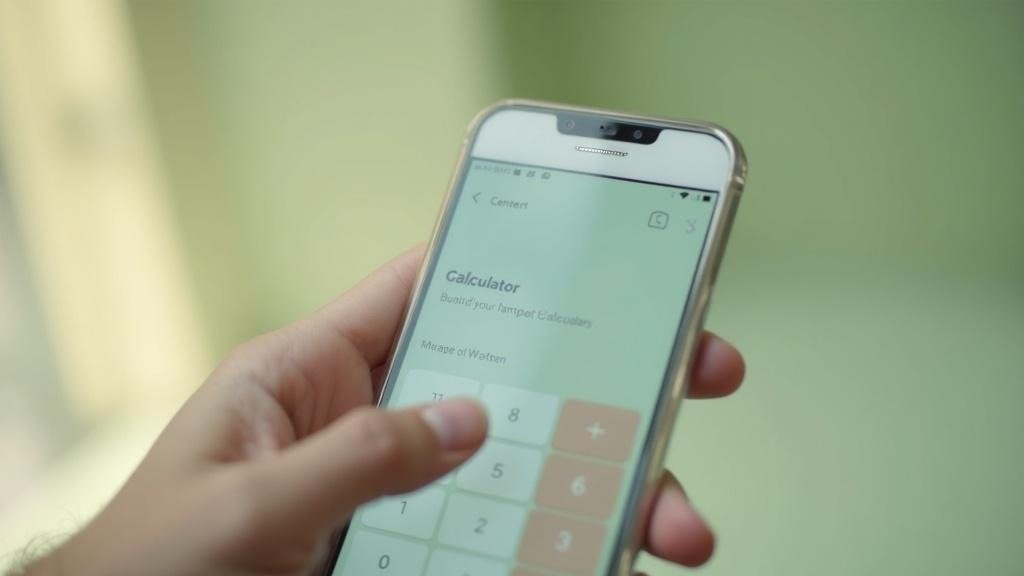
This one earned the top spot because it shows its math. Most calculators spit out a number; this one shows the concentration per mL and the exact units to draw, then lets you check the arithmetic yourself. You enter vial size (mg or mcg), how much bacteriostatic water you added, and your target dose per shot. Out comes the syringe fill amount in units. It also explains that pouring in more BAC water does not change the total peptide in the vial, only the units you draw per dose. That single concept trips up more beginners than anything else I see discussed online.
It supports U-100, U-50, and U-40 syringes, handles the mg-to-mcg conversion automatically, and offers one-tap presets for BPC-157 (5 mg and 10 mg vials), TB-500, ipamorelin, tesamorelin, and a GLP-1 entry at 50 mg. The visual syringe fill bar is a genuinely helpful touch. No account required. Built by FormBlends, a real 503A compounding pharmacy brand, not an anonymous webpage with no contact information.
The mobile app version (iOS and Android) adds a 55-compound library, injection-site rotation mapping, and dose logging. Web tool and app are both free.
2. PeptideFox
Peptidefox.com covers more than 30 individual peptides. What I like is the BAC water volume optimization: it nudges you toward an amount of water that keeps your draw volume in a clean, readable range on a standard U-100 syringe. Comes with a visual guide. Solid for people who want hand-holding on the water volume decision.
3. PeptideDeck
Enter your vial’s mg amount, the mL of BAC water you added, and your target dose in mcg. PeptideDeck returns the concentration and the draw volume in both mL and insulin units. Clean interface. No frills. Gets the job done for any lyophilized peptide.
4. MyPeptideMatch
Free, no account. Covers BPC-157, semaglutide, tirzepatide, and TB-500 among others. The GLP-1 peptide coverage is more specific than most calculators in this space, which makes it worth bookmarking if you’re working with semaglutide math.
5. LeadWest Medical Calculator
This one targets a longer peptide list: retatrutide, BPC-157, TB-500, ipamorelin, CJC-1295, tesamorelin, sermorelin, and GHK-Cu. The medical framing suggests a clinical context. Good range.
6. Outliyr
Lists BPC-157, TB-500, ipamorelin, CJC-1295, tesamorelin, GHK-Cu, and peptides in the GLP-1 category. The content around the calculator is more educational than most, which helps if you want context alongside the numbers.
7. peptidereconstitutecalculator.com
Narrow focus: BPC-157 specifically. Converts mcg to U-100 insulin units. If BPC-157 is the only thing you’re reconstituting, it does exactly that, nothing more.
8. Prime Peptides Calculator
A straightforward reconstitution tool from Prime Peptides. Useful if you’re already buying from that supplier and want a calculator attached to a familiar brand.
9. peptides.org Dosage Charts
Not an interactive calculator. Static reference charts for common compounds. Helpful as a cross-check after you’ve done the math elsewhere. I use it to verify that a dose I’ve calculated falls in a published range.
10. Manual Syringe Math (The Baseline)
Worth knowing regardless of which tool you use. The formula: (target dose in mcg / total peptide in mcg) x total BAC water in mL x 100 = units to draw on a U-100 syringe. On a U-100 syringe, each milliliter is divided into 100 equal units. So 10 units = 0.1 mL. If your reconstituted vial holds 5 mg (5,000 mcg) in 2 mL and you want 250 mcg, you draw 10 units. Simple. Until you forget to convert mg to mcg first.
A Note Before You Start
These tools calculate measurement, not dosing guidance. The dose you enter must come from a qualified prescribing provider. None of the above replaces that conversation.
Common Questions
Does adding more BAC water to a vial change how much peptide you’re injecting per dose?
No, and this is the single most common misunderstanding. The total peptide in the vial stays fixed no matter how much bacteriostatic water you add. More water means you draw more units per dose to get the same amount of peptide. Every calculator here recalculates your draw volume automatically when you change the water amount.
Why does the FormBlends calculator show different unit amounts for U-100 versus U-50 syringes if the dose is the same?
The syringe type changes how the scale is printed, not how much liquid you draw. A U-50 syringe marks 50 units per mL instead of 100, so the same 0.1 mL volume reads as 5 units on U-50 and 10 units on U-100. FormBlends adjusts the displayed number based on which syringe you select, which is why picking the right syringe type in the calculator matters.
Can the semaglutide or tirzepatide math on MyPeptideMatch be trusted the same way as BPC-157 math?
The underlying arithmetic is identical for any lyophilized peptide: vial size divided by reconstitution volume gives concentration, and target dose divided by concentration gives draw volume. MyPeptideMatch applies that same formula to GLP-1 compounds. What differs is that GLP-1 dosing protocols tend to escalate over weeks, so double-check your current dose tier before entering a number.
Is there a meaningful difference between using PeptideFox’s BAC water optimization and just picking 2 mL by habit?
Yes, for small doses especially. If you’re drawing 50 mcg from a 5 mg vial reconstituted in 2 mL, you’d draw only 2 units on a U-100 syringe. That’s hard to measure accurately. PeptideFox’s optimization may suggest 1 mL instead, bumping your draw to 1 unit per 100 mcg, or flag that a lower water volume keeps draws in the 5 to 20 unit range where measurement error shrinks considerably.
When should someone use the manual formula from entry 10 instead of one of the dedicated tools?
Any time a calculator is unavailable, or when you want to verify a tool’s output before drawing. The formula requires no internet connection and works for any peptide or syringe type. Knowing it also makes calculator errors obvious. If a tool returns a number that looks off, running the arithmetic by hand in under a minute will tell you whether the tool made an error or you entered something wrong.
Sources
- U-100 syringe specification: standard insulin syringe labeling (FDA device classification)
- peptidefox.com, peptidefox.com/visual-guide (public tool, verified 2026)
- PeptideDeck (public web tool, verified 2026)
- MyPeptideMatch (public web tool, verified 2026)
- LeadWest Medical online calculator (public, verified 2026)
- Outliyr peptide calculator (public, verified 2026)
- peptidereconstitutecalculator.com (public, verified 2026)
- peptides.org dosage reference charts (public, verified 2026)
- FormBlends mobile app: App Store and Google Play listings (public, verified 2026)