A sauna kit rarely adds a fixed, appraisable dollar amount to a home’s value the way a bathroom remodel does, but it can support a stronger listing and a faster sale in the right market, particularly in colder regions where wellness amenities are already expected. Whether it helps at all comes down to a handful of specific factors: climate, installation quality, permitting, and whether the kit reads as permanent or removable. Here are the seven that matter most.
1. Regional Climate Determines Whether Buyers Even Want One
In northern and mountain climates where cold-weather wellness culture is already established, a sauna kit is a recognizable, wanted amenity that buyers actively search listings for. In warmer regions, it’s more of a curiosity than a draw, and some buyers may even see it as extra maintenance they don’t want. The same $4,000 kit can be a genuine selling point in Minnesota and a shrug in central Florida.
2. Indoor Kits Typically Appraise Differently Than Outdoor Kits
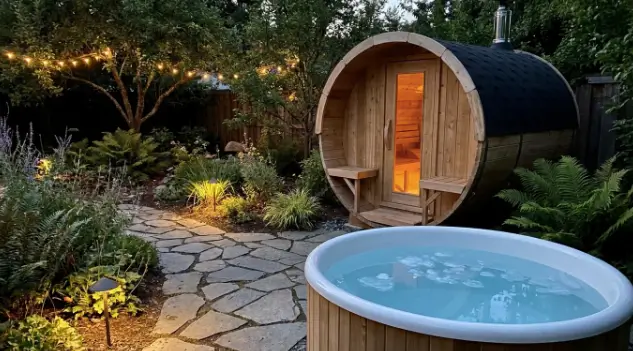
An indoor kit tied permanently into a finished basement or bonus room, with its own dedicated electrical circuit, tends to get folded into the home’s overall square footage and finish quality during an appraisal. An outdoor barrel or cabin kit sitting on a deck reads more like a hot tub or a shed, a nice-to-have amenity noted separately rather than part of the home’s core valuation. Neither is wrong, they’re just evaluated on different terms.
3. Professional Installation Photographs (and Appraises) Better Than Visible DIY
An appraiser or a buyer’s inspector isn’t grading craftsmanship, but visible gaps in trim, an exposed extension cord instead of a proper circuit, or a door that doesn’t seal right all signal a rushed DIY job, and that impression carries over to how the rest of the home gets perceived during a walkthrough. A cleanly finished kit, even a modest one, reads as cared-for. This is one area where spending a bit more on installation quality pays off beyond just the sauna itself.
4. A Kit Competes With a Pool or Hot Tub for the Same Wellness Budget Line
Buyers weighing amenities usually aren’t comparing a sauna kit to nothing, they’re comparing it to a pool, a hot tub, or a home gym as competing uses of the same backyard or bonus-room square footage. A mid-size kit costing $3,500 to $6,000 installed is meaningfully cheaper than a hot tub in the $8,000 to $15,000 range, which can make it an attractive middle-ground amenity for buyers who want a wellness feature without pool-level cost or maintenance.
5. Permit Paperwork Protects the Value, Missing Permits Can Hurt It
A permitted electrical circuit and inspection sign-off is something a seller’s agent can point to directly, and its absence is something a buyer’s inspector will flag. In areas where permits are required for new 240V circuits, an unpermitted sauna install can become a negotiating point that costs more at closing than the permit fee would have cost upfront. This is a case where a $100 to $200 permit protects a purchase that may have cost thousands.
6. Removability Cuts Both Ways
An outdoor barrel kit on a cradle base can be sold, moved, or removed relatively easily, which is a plus for a seller who wants to take it with them to a new home, but a minus if a buyer was counting on it staying. Clarify in writing whether a freestanding kit conveys with the sale, since ambiguity here is a common source of last-minute negotiation friction. Indoor kits built into a finished space are effectively permanent and don’t carry this ambiguity.
7. The Realistic Expectation: Lifestyle Value Beats Resale Value
Across markets, a sauna kit is best thought of as a lifestyle purchase with a possible secondary resale benefit, not an investment with guaranteed appreciation. If you’re deciding between models purely on the resale question, price and features that fit how you’ll actually use it should weigh more heavily than which one theoretically photographs best for a future listing. SweatDecks.com lists both indoor and outdoor kit options at a range of price points, which is a reasonable place to compare what fits your space and budget before worrying about resale math you can’t fully control anyway.
How Insurance Fits Into the Value Picture
Homeowners insurance is worth a phone call before installation, not after. Some carriers ask about permanent heat-generating additions like a sauna kit during a policy review, and an unpermitted electrical circuit can create a coverage gap exactly when you’d need it most, in the event of a fire or water-damage claim traced back to the installation. Confirming coverage upfront, and keeping the permit and inspection paperwork on file, protects both the home’s insurability and, indirectly, its resale value, since a documented, code-compliant install is one less thing a future buyer’s insurer can flag during underwriting.
Why Regular Use Still Matters More Than the Purchase Decision
Whatever the resale outcome, the case for owning a sauna kit rests on using it consistently. A 2018 review in Mayo Clinic Proceedings found regular sauna bathing associated with better cardiovascular outcomes across the cohorts it examined, and a 2023 follow-up review in the same journal reinforced that the association tracks with sustained use over years, not a single purchase decision. A kit chosen for how well it fits your actual routine is more likely to get used, which matters more than whichever model theoretically adds the most to a future appraisal.
Frequently Asked Questions
Do appraisers add a specific dollar amount for a sauna kit?
Rarely as a standalone line item. Appraisers are more likely to note it as a feature that supports comparable-sale adjustments than to assign it a fixed dollar value the way they would a finished bathroom.
Does an outdoor barrel kit add more value than an indoor cabin kit?
It depends on the buyer pool more than the kit type. An outdoor kit reads as a removable amenity like a hot tub, while a properly permitted indoor kit tied into the home’s electrical system reads more like a permanent improvement.
Should I pull a permit for a sauna kit even if my area doesn’t strictly require one?
Yes, when a dedicated electrical circuit is involved. An unpermitted circuit can complicate a future sale or insurance claim even in areas with looser enforcement, and permitted work is easier to point to during a home inspection.
Will a sauna kit help a house sell faster?
It can help in listings that lean into wellness or outdoor living amenities, particularly in colder climates, but it’s rarely the deciding factor for a buyer the way a kitchen or bathroom renovation can be.
Is it worth buying a sauna kit purely for resale value?
No. The evidence for a guaranteed resale bump is thin, and most people who end up happy with the purchase bought it for regular personal use first, with any resale benefit as a secondary bonus rather than the reason.
References
- Kunutsor SK, et al. “Cardiovascular and Other Health Benefits of Sauna Bathing: A Review of the Evidence.” Mayo Clinic Proceedings, 2018. https://pubmed.ncbi.nlm.nih.gov/30077204/
- “Does the Combination of Finnish Sauna Bathing and Other Lifestyle Factors Confer Additional Health Benefits? A Review of the Evidence.” Mayo Clinic Proceedings, 2023. https://pubmed.ncbi.nlm.nih.gov/37270272/
- “Clinical Effects of Regular Dry Sauna Bathing: A Systematic Review.” Evidence-Based Complementary and Alternative Medicine, 2018. https://pubmed.ncbi.nlm.nih.gov/29849692/
By Sandra Kestler